Seton Bachle, PhD
Plant Ecophysiologist

I currently host a podcast series called Leaf to Leaf ; which brings in researchers and scientists from LI-COR.
Walk with us, your plant physiological spirit guides, as we unravel the methodological intricacies behind leaf-level gas exchange. Leaf to Leaf is here to deliver you an in-depth how-to that breaks down theory, the methods, and the biology behind it all
This season of Leaf to Leaf follows the new book A Hitchhiker's Guide to Leaf-Level Gas Exchange by Jason Hupp and Dr. Richard Vath. Each episode connects with a chapter from the book, bringing added context, conversation, and insight to every topic. As each episode releases, you can download the matching chapter and explore the science even further.
"Leafy Caterpillar"
10 x 46 inches mounted
Imaged on: Zeiss 880 confocal
auctioned priced: $500
This is a Big Bluestem leaf from Konza Prairie. This grass, along with the surrounding ecosystem, has been shaped and maintained by 3 main drivers: climate, grazing, and fire. A confocal microscope and various biological stains were used to indicate specific anatomical structures of this dominant grassland species. This image is part of a PhD research at Kansas State University; it was auctioned off in 2019 during the "Science to Art" event hosted by BioNexus.

"A Closer Look at Prairie Roots"
written by: Chris Helzer:
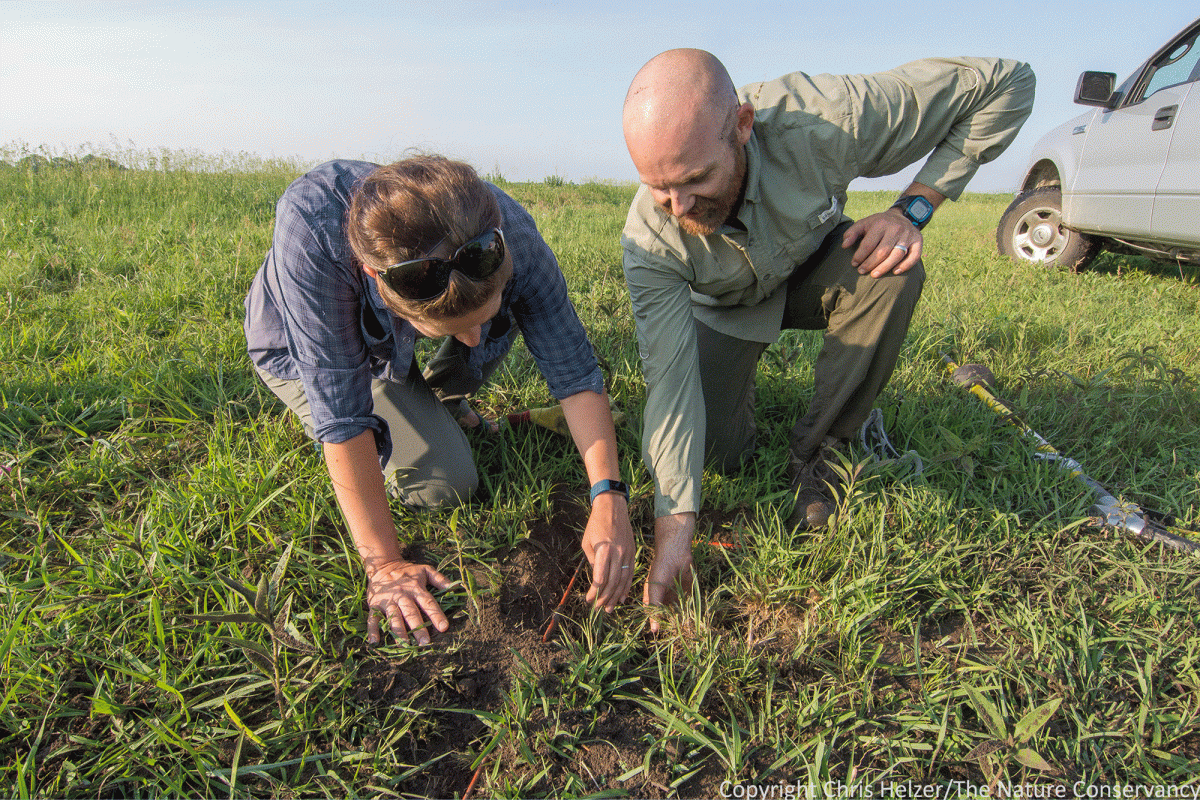
This post breaks down my own and fellow lab-mate Marissa Zaricor's research projects focusing on the effects of grazing on belowground root production in native species. Stay tuned for these results to be publicly available soon. In the meantime, Chris used a drone to video how we excavated these root systems at the Platte River Prairie (TNC location located near Hastings) with an AirSpade - you can find this in the video below.

written by: Chris Helzer
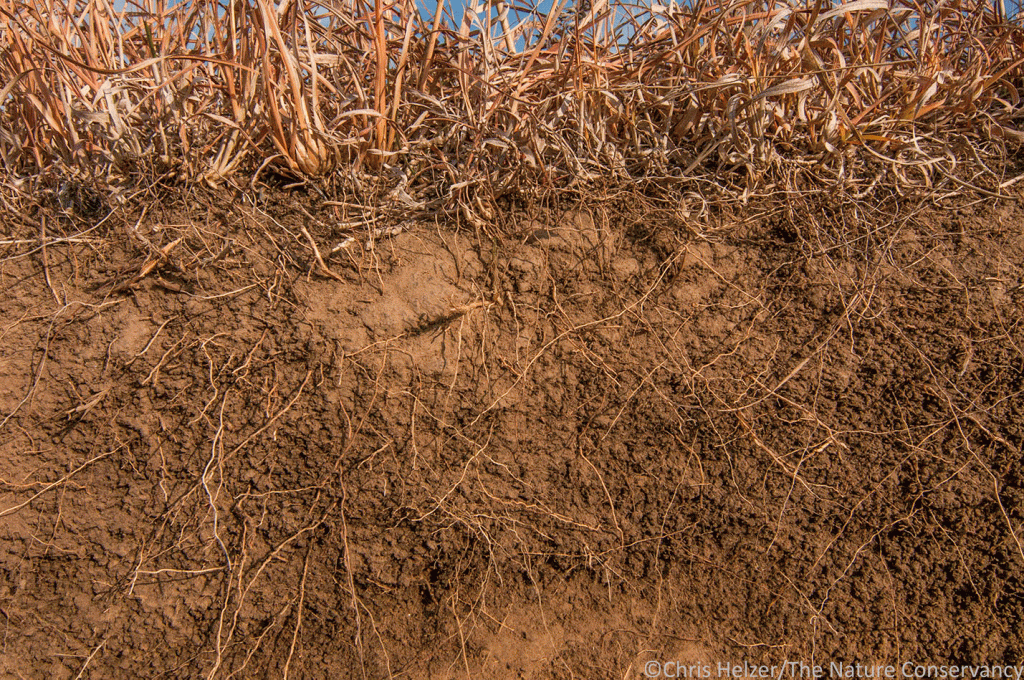
In this post, Chris explains the deeply "rooted" misconceptions about belowground processes in native prairie systems with evidence from prominent grassland ecologists, "There’s just one problem. Prairies don’t actually work that way."
I hope to continue collaborations with Chris Helzer and TNC (The Nature Conservancy) in future endeavors!